
I’m going to start this blog with a disclaimer that I am just as guilty of this as everyone else and that’s training like it’s the real deal!
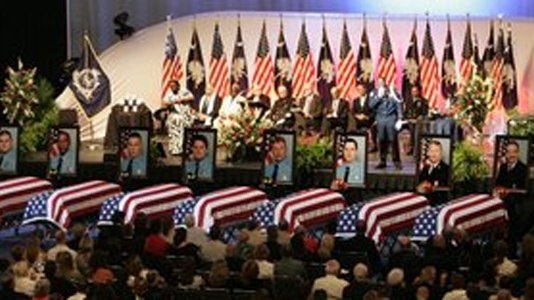
For anyone who knows me, you know one of the biggest events in my life occurred on June 18th 2007. On this day, we lost nine great men in what is now referred to as the Charleston 9. In the afternoon of this eventful day, a fire broke out at the Sofa Super Store in Charleston, South Carolina. Not to pass any blame, but many mistakes were made that day. One of the biggest mistakes made; however, was not made on that day. At that time, the City of Charleston Fire Department had a habit of being a “good ol’ boy” system. There was a bravado that the department was the “best of the best” and didn’t need to make any improvements. This showed in the lack of adequate equipment and training on that tragic day in June. Not to be a Monday night armchair quarterback, but with these two things, the events of that day could have been different.
Training needs to be treated with the respect, as the information that is gained from the experience could one day end up being life or death. Now, on the EMS side of things, more than likely this life or death is for our patient’s and not necessarily the crewmembers, but that doesn’t change its importance. I do believe that sometimes there is nothing that we can do, if Mother Nature has determined the patient’s outcome. You can do EVERYTHING correctly, but sometimes that’s not enough. It’s not a lack of knowledge/experience by the providers, it was just that patient’s time. But this isn’t always the case. This is why every call needs to be treated with the most appropriate care, regardless of the chances of survival and/or improvement of post-hospital lifestyles.
But what does it mean to practice like it’s the real deal? We all have taken a class where scenarios are talked though, but not much effort is put into the skills practice. I know I’m personally guilty of this in both classes I’ve attended and also the ones I’ve taught. Now, this makes some sense for providers who one, have a broad knowledge of experience and secondly are able to create the scenario in their heads. This may seem like an easy task, but this isn’t how every person works. As a child I grew up playing with Legos and Matchbox Cars; therefore, I have the ability to create complete scenarios in my head as if I was doing it in real life. Someone who didn’t have similar experiences in their childhood can’t necessarily perform this skill. That’s the hang up here.

Regardless of if we are the student or the instructor, we need to take in, and/or deliver the information to every participant. When I attended paramedic school, one of my instructor’s biggest pet peeves was students who would say they would do something in a scenario, but wouldn’t act it out. Ever heard the phrase “practice makes perfect?” Well, its true. Don’t just say you are going to do something, actually do it. If your scenario is an MVC with an entrapped driver, then actually act it out. If possible, go out to the parking lot and put the mannequin in the driver’s seat. If you are doing an airway scenario, place the airway mannequin on the floor under a table. How many times have you intubated a patient laying supine on a bed that is pulled away from the wall??? Oh that’s right, NEVER!!! Make your scenarios lifelike, and actually perform the skills.

Answer this, would you rather have a provider who has practiced a skill on a mannequin 150 times, or one who has “talked through it” every time??? I can tell you which one I’d prefer, so let’s do our best for our patients, because your next call could very well be someone that is close to you. Even if they aren’t close to you, they are someone’s family member or close friend. Do everything in your power to help them and that starts with adequate training.
 Medic Minute