I would like to start off today’s blog by explaining my view on how the human brain works…
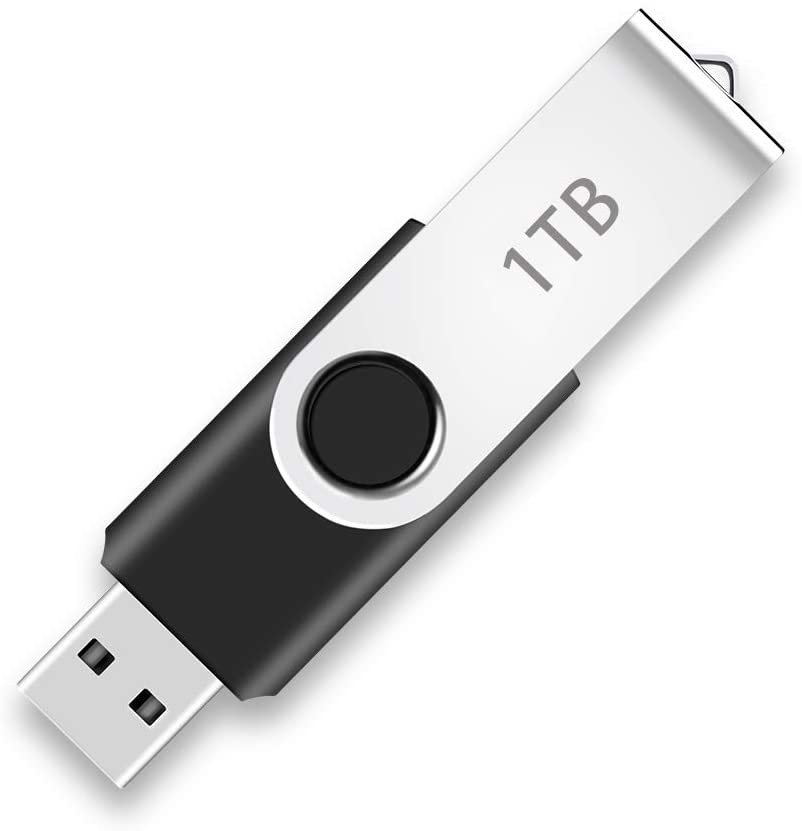
So, I think of the human brain like a flash drive. Let’s say that you have a 1TB flash drive that is your brain. Everyone has about the same amount of memory, it just depends on how you choose to use it. Whether that is using 900GB on useless facts and random cat videos on Facebook, or important information about the ins and outs of life. So here’s my question, why waste this space on information that you don’t necessarily need every day???
Let me give you an example, do you have full recall on the APGAR score? I can tell you that I do not. Now, disregard this if you are still in school and have a pending National Registry exam coming up. I am referring to the provider who is finished with school and works on a day-to-day basis. Is it worth it to use up that VERY valuable space with this chart? I don’t think so. I have a general knowledge of what it is and how it works, but I don’t have it memorized. What I do have though is quick access to it in if need be. For me, that is a list of images on my phone that are organized into categories for ease of access. If it is something that I think is important, but not something I need to have on complete recall, then I have an image saved for it. So anyway, that’s just my thought on this, so take it as you will.

When I was nearing the end of my paramedic program, I felt very confident with my service’s protocols; however, I was quite worried about becoming a “cookbook medic.” What I mean by this is, someone who can follow protocols to the “T”, but has a problem thinking outside the box. At first glance, this might be what you think you’d want in a new medic. But here is the problem; what happens when you have a patient who is complaining of chest pain, so you start down the cardiac chest pain protocol? Shortly after, you note that your patient has what’s referred to as “reproducible chest pain to the center of the chest.” In this case, there is a high likelihood that your patient has a case of pulmonary irritation vs cardiac chest pain. In this situation, the patient needs respiratory treatments instead of cardiac ones. But without thinking outside the box, you’d stay on your original care plan. Now more than likely, this isn’t going to HARM the patient, but it also isn’t going to help them and could delay the treatments that they actually do need.
This was my worry coming out of school. It wasn’t until I talked to a medic that I hold in high regard who told me that I should be a cookbook medic when I first come out of school. But how can that be? The reason I hold this medic in such regard, is the fact that he always thinks outside the box and treats the patient to the best of his abilities! This is a direct contradiction of this understanding. Well, he explained that every new medic or EMT needs to learn the “correct” way to do things, before they can advance their education/understanding. Without a solid knowledge base, you can’t build more advanced knowledge.

So back to our cardiac example, without knowing the “basics” of cardiac chest pain, you wouldn’t know that reproducible chest pain is more indicative of a respiratory issue. Part of this understanding is knowing when to go on to another protocol. Without knowing each of these protocols, you wouldn’t know what ones to switch to. At the end of the day, we HAVE to stay true to our protocols. Our medical directors have given us permission to treat certain conditions and that doesn’t give us the right to practice medicine without a medical license. But that doesn’t mean that every patient is going to fall under just one protocol. Being a well-balanced medic is having the understanding of how to go from protocol to protocol to treat the patient effectively. But this is one of those things that can’t be taught in the general sense. This comes with time and experience. Until you can gain that knowledge, you need to follow your protocols word for word.
Having a solid base knowledge of these protocols will give you the ability to build on to this foundation to be the best provider for your patient. Don’t be afraid to be new. We have all been there and with time you can become a great provider. But don’t expect it to just happen overnight.
 Medic Minute