
It’s 2pm and you get a call for a 76 year old female with difficulty in breathing (DIB).
Obviously, your first treatment is going to be administration of oxygen (O2). Yes, this is a “medication”
and you have to have a license to administer it. But how do you know how much to give? Well, in EMT school we were all taught to give just about every patient oxygen, but this isn’t always the best course of action. Like everything in EMS, start off “BLS” and move to “ALS”, or in this case: start off at the lowest rate and move up. That means starting off with no oxygen at all. Before you ever administer oxygen, you need to gather a baseline room air saturation. This is as simple as placing a pulse ox on the patient’s finger for a minute or so before oxygen is administered. This number can be very important for the patient’s recovery and you can just about guarantee that the receiving facility is going to ask for their “room air sat”. So, start there.
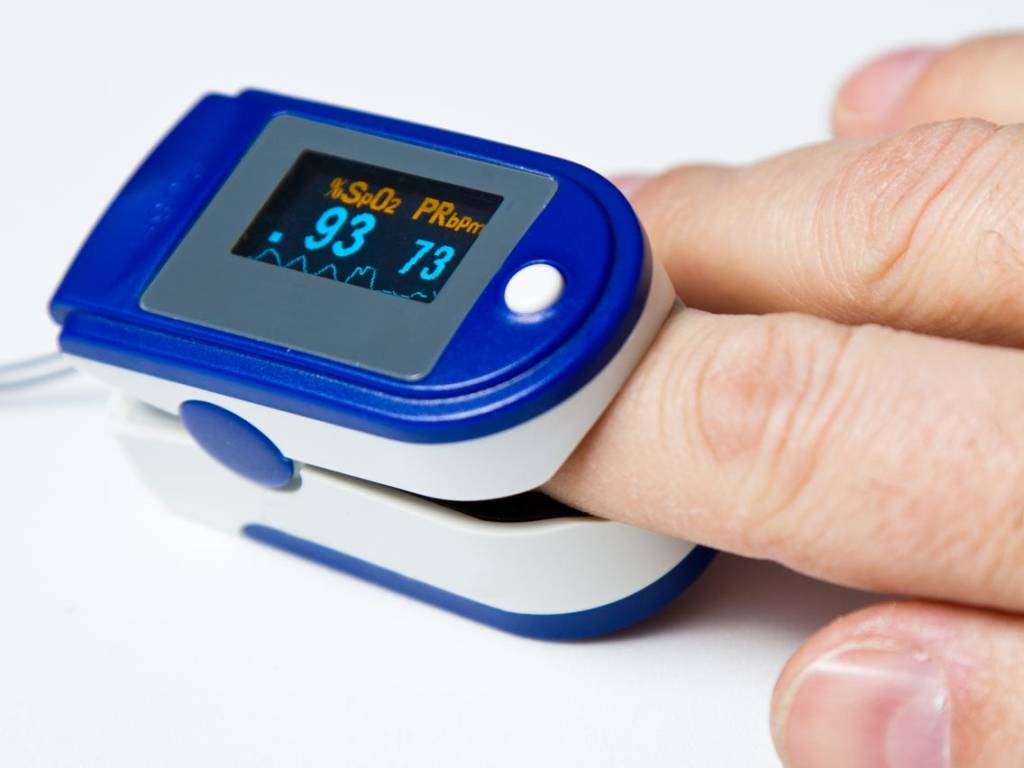
Most agencies have protocols to administer O2 to a patient below 93%. 94-100% is the goal here. If your patient is stable, try administering 2-6lpm via nasal cannula (N/C). This tubing raps behind the ears and flows a low amount of oxygen directly into the nostrils. This tubing should be clear. There are green tinted N/C tubing on the market, however this tubing is “high flow” tubing that is capable of up to 10lpm depending on the manufacturer. If the patient’s SPO2 doesn’t approve to >93%, or the patient is more critical, then go to 10-15lpm via non-rebreather (NRB). Typically, you start at 10lpm and move up to the 15 if needed. In the event that the bag on the mask is deflating, then either the patient is breathing in fast enough that a higher flow rate is required, or your oxygen cylinder is empty. Now, if the patient is in severe respiratory distress, or arrest then jump directly to a bag-valve mask (BVM) at 15lpm. If the patient is in respiratory arrest, or has a respiratory rate <8 breaths per minute, then this patient is a candidate for an advanced airway (LMA, King, iGel, or ET Intubation).

If you’re ALS, then you also have CPAP/BiPAP at your disposal. This procedure can help the patient to take a “full” breath. I’m not saying that the lungs are like balloons, but let’s say they are for a second. Can you blow up a full-size balloon with just one breath? No, you probably can’t. The same goes for your lungs. It takes multiple breaths to fully expand your lungs, and Positive End-Expiratory Pressure; more commonly known as “PEEP” helps to maintain this residual pressure in the lungs to allow “full” expansion. On some patient’s their PEEP is decreased by either weak alveoli walls and/or mucus build up. So CPAP/BiPAP can help “push in” additional air when the patient takes a breath. However this procedure can feel like suffocation, therefore patient education should be performed and the procedure avoided in the event of high levels of anxiety.

Finally, we have nebulizer treatments. This is a small canister attached to a mask that vaporizes medications for inhalation by the patient. To set this up, you open the canister and pour the medication in. When you do this, MAKE SURE THE O2 ISN’T FLOWING (if it is, you’ll be wearing whatever medication you just poured into the chamber). Some of the most common medications that are administered via NEB, are Albuterol, Atrovent, Epinephrine, and even saline fluids, but we’ll talk about that a little later. So, that’s oxygen, but that only scratches the surface on common respiratory medications. Most of the time these patients may not need more than this however.
 Medic Minute