Congratulations, you ARE the “closest unit”!!! Stand by for tones!
How is it that you are ALWAYS the closest unit? At times, it really feels like dispatch has a giant dart board in the dispatch center with your face as the bullseye. Now, your dispatcher does have the ability to ruin your entire shift, but rarely are they actually “picking on you”. I’ve said it in other blogs and classes I’ve taught, but dispatch has eyes on the bigger picture. With that being said, they are human too, and can make just as many mistakes as we can in the field. Let’s take a look at what they actually do.

Dispatch’s “main job” is to allocate crews to the calls they receive; however, this is only a MINOR part of what they actually do. Depending on your service/county, a dispatcher’s job can vary. They can do anything from dispatching multiple services (EMS, police, fire, utility works, community service, and sometimes even jail services), answering 911 and non-emergency numbers, performing quality control calls, and resource allocations.
One of the most beneficial experiences I’ve had in this career was when the department that I used to work for required all field staff to service 24hours of time in the dispatch center every year. They also required dispatch staff to third-ride on the truck for two 12-24 hour shifts yearly. This gave us both an insight into each other’s jobs, and in turn gave us a greater understanding of the rationale behind what each other does. I wish all services/counties did this, but at the same time I understand why they don’t. This is purely for understanding reasons, there is no financial benefit to this practice. However, I believe this little change would cut down on a lot of tension between dispatch and the crews, and alleviate a lot of hostility. At the last service I worked for, observing dispatch was an option, however this was unpaid time. If there is one thing you can say about EMS personnel, it’s that we seem to be VERY financially motivated. As a whole, EMS is VERY underpaid, so no one is going to willingly give up the little free time they have, for no obvious benefit. So, unfortunately we are stuck with what we have until one side unanimously decides to do the right thing.

Don’t get me wrong though, I don’t think that will solve all of the problems. The main problem is how understaffed EMS is. We are the most understaffed and underpaid division of the medical field. Half of the medical professionals we come into contact with don’t even understand what we do. Almost on a weekly basis, I have been asked if we carry oxygen on our trucks. Most of the nursing staff doesn’t even realize that we have a VERY similar scope of practice. It’s been a life-time story of each side claiming the higher scope, but at the end of the day we are nearly the same. There are things that nurses can do that we can’t, and there are things that we can do that they can’t. This all boils down to miscommunication and lack of training in regards to the other provider’s abilities. That’s a subject for another day, however; today we are talking about dispatch.

As I said in the beginning, dispatch sees the whole picture. What may seem like them “picking” on you, may be just chance. Let’s say that you get a call, but you know there was another unit almost on top of that call. How can that be? Well, maybe that truck got a flat tire and called dispatch via cellphone to let them know. In the field, we can’t see all the things that go on behind the scenes. Now, sometimes this could be human error. When I became a field training officer, I was given access to the tracking of all of our units. I was able to see where every truck was, and sometimes it didn’t make sense. But like I said, we don’t always have the full picture. I’m not going to try and act like this never bothered me. I got just as mad as the next crew, but I would have to remind myself of this lesson.

Dispatch also has the ability to shuffle trucks according to who is best fitted for the call. What I mean by this is, if a call goes out for a male psych patient who is aggressive towards a woman, it doesn’t make much sense to send a double female truck to that call. Or, if dispatch has a BRAND new medic with a BRAND new EMT, they may send the more seasoned medic/EMT to the cardiac arrest call. Now, this isn’t ALWAYS the case, and depending on the department may not be allowed, but some dispatchers are allowed to make this call.
If you look up the most stressful jobs in the world, air traffic controllers have remained in the number one spot since the position was created. Granted, air traffic control is MUCH more intense than EMS dispatch, but the job is similar. Here is another thing to consider: say you run a call for an emergency official who has been shot in the chest. Dispatch takes the call, knowing that one of their crew members has been injured, and is possibly deceased. They don’t get ANY information, except for the crew’s on-scene time, POSSIBLY a scene size-up, hospital destination, and transport time. Unless they reach out to the crew themselves, they have no clue how the patient is doing until they see something on the news. This alone is a major reason that PTSD and suicide are so prevalent in dispatch.
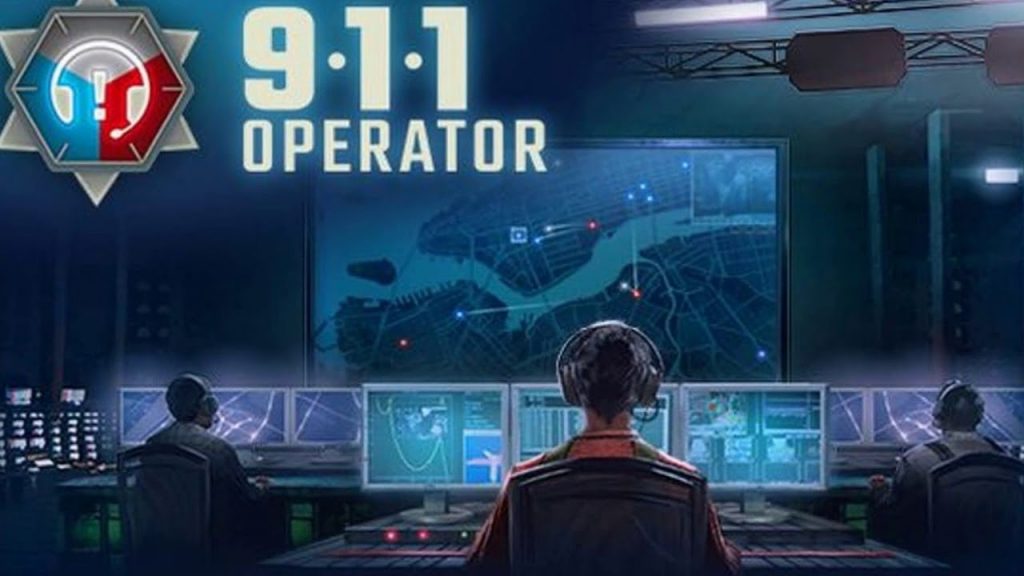
This may sound ridiculous, but if you are a gamer, check out the game “911 Operator” on iOS, Android, Microsoft, Mac, Xbox One, Playstation 4, & Nintendo Switch. I’ve mentioned this game in a previous blog. It really gives you an idea of the stress of allocating units to calls. It’s not just about sending trucks to calls. It’s about how to do it effectively and efficiently. You’d be surprised how difficult the game is, and that’s only a part of the job these individuals perform.
So give them a break when they are rambling off calls. They are just as stressed, overworked, and underpaid as we are. And at the end of the day, if you’re a jerk to them, they have complete authority to ruin your entire shift, so be nice!
 Medic Minute