
It’s 3am and you get a call to a private residence for a middle-aged patient complaining of a possible panic attack… You may immediately jump to conclusions and think that this is just a waste of time and resources. Yeah, we all do it. But what seems like “no big deal” isn’t always what it seems.
For anyone that knows me, you know that I enjoy nerdy things, one of which is video games. I have no problem admitting that my Nintendo Switch is my pride and joy. But why do I bring this up? I recently revisited a game I purchased a couple years ago called “911 Operator”. In the game, you are dispatching fire, EMS, and police services for a city. You must decide what calls take priority and how to allocate your resources. Naturally, I was pretty good at this game (given my employment history), but I kept failing certain calls. It took me a while to figure out what I was doing wrong.

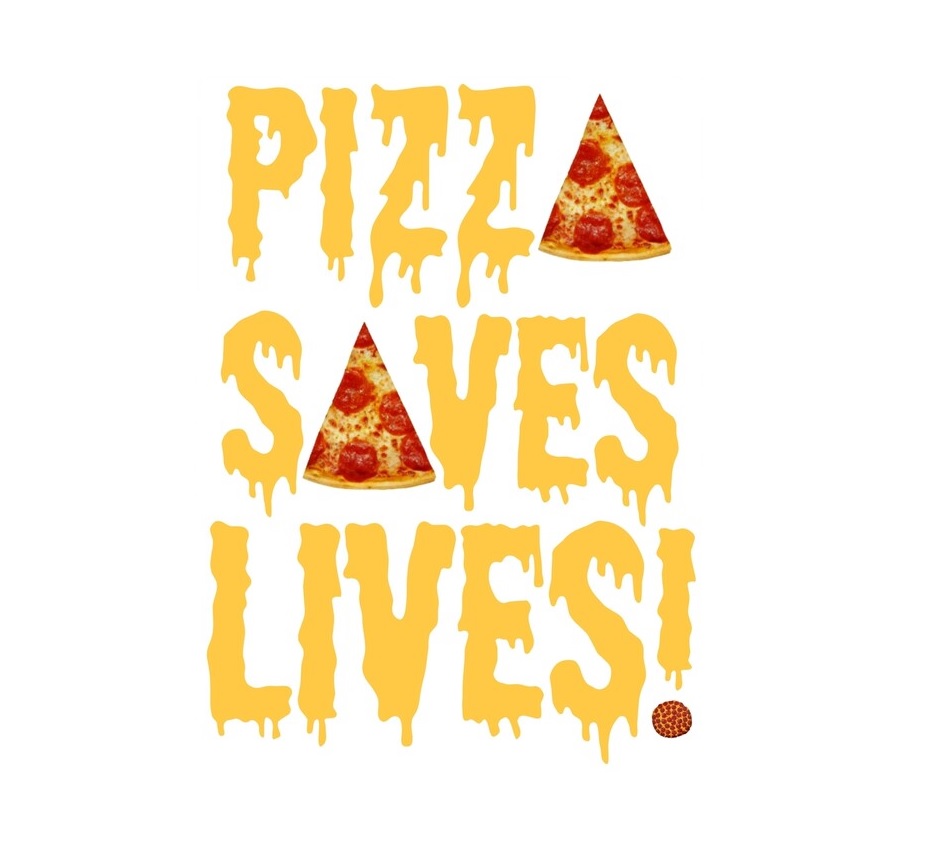
In the game you frequently receive false calls, one of which is a woman calling to order a pizza. I repetitively blew this call off, thinking it was just another false call. The reason I kept failing was because this was a legitimate 911 call.
Well, come to find out this caller was a woman who had been taken hostage and was attempting to get help. If I had stayed on the call with her, she would have told me that there were two people (herself and her kidnapper) at the house who wanted pizza. Shortly after, she would give you the address for the “pizza” to be delivered. Now, this may seem odd and unrealistic, but it’s not. This is a VERY efficient way to get help in this type of a scenario. What I learned from this was to not always jump to conclusions.
So, back to our panic attack call. For us, this may seem like a routine call, but for our patients, this may be the worst times of their lives. We need to take that into consideration each and every time we come into patient contact.
On another note, we need to stop jumping to conclusions before we receive all of the facts, and even then it shouldn’t affect our patient care. I’ve said it before that I don’t like war stories, but I have two examples that will nail this point home for anyone reading this.

A few years back I was dispatched to a two-vehicle motor vehicle collision. Dispatch informed us that this call was a possible kidnapping. Upon our arrival on scene we were approached by the local police department and our supervisor. The other ambulance that was dispatched to the call was transporting the female passenger of the vehicle and we were taking the male driver. PD informed us that the individual grabbed the other patient from a local bar and was attempting to kidnap her. The young ladies boyfriend saw the incident occur and was chasing the suspect down, when the “kidnapper” lost control of his vehicle and hit another head-on.
Now, in this case it was very hard not to jump to conclusions. The individual was handcuffed and was to be transported with a police officer on board. Throughout the transport, the patient insisted that he had not kidnapped the female. His story was that the young lady approached him in the bar and said that she feared for her life and was unable to get away from her boyfriend, so this gentlemen attempted to get her away from her abusive boyfriend. To be honest, I wasn’t sure what to think. I felt that I was the only one on scene that thought there was a chance this man was telling the truth. Innocent until proven guilty right? Well, a couple months later I found out that the patient was indeed telling the truth. He went from being a kidnapping suspect to an honest good person who was just trying to do the right thing. I never let any of this get in the way of patient care, and I treated him with the upmost care, but I can see a lot of us in this career not doing this. It is not our jobs to judge; we are to treat everyone equally regardless of if they are a criminal or not.

The next call I want to address was one that truly hits home for me now. We were dispatched to a child who was left in a car during the summer a few years ago. Unfortunately, there was another child killed in a hot car a couple of years prior to this that hit national news, so I wasn’t expecting much different for this call. When we arrived on scene, we found a vehicle with both back doors wide open and police EVERYWHERE. We entered the house and found the unresponsive child lying supine on the ground in a puddle of water and firefighters attempting to get an IV. The mother was being questioned by the police and I never got a chance to speak to her. We immediately got the child into the truck and attempted to lower her core temperature. The child was febrile (elevated body temperature) and unresponsive, however we were able to cool her core temperature down and get enough IV fluids into her that she started to become somewhat responsive upon our arrival at the ER. Luckily this child made a full recovery with no deficits.
So, just from what I heard on scene I believed the mom to be at fault for this child’s condition. Emotions were very high on scene and throughout transport due to the patient’s condition and the recent news of the other child who perished in a hot car. I never got a chance to speak to the mother (police had her detained and were actively questioning her the entire time I was on scene), but if I had I would have learned the “full story”.
The mother and her three kids were out running errands when they returned home. The mother needed to urgently use the restroom, so she asked her 13 year old son to get the baby out of her car seat as she ran for the bathroom. Upon exiting the restroom, the mother heard the kids playing upstairs and didn’t think anything of it. About an hour later the children came downstairs for a snack, however the baby wasn’t with them. The mother asked the 13 y/o and he had forgotten to get the baby out of the car. The mother ran out to the vehicle and found the baby breathing but unresponsive in her seat. She ran back inside with her and attempted to cool her down with ice as 911 was called.
Now, this incident was still the fault of the mother’s, but it paints a COMPLETELY different picture from what we initially believed on scene. This mother went from being considered a murderer, to a stressed out mom who just made a REALLY big mistake. Luckily in this incident everything worked out and no harm was done to the mother or the child, minus the guilt that the mother more than likely faces daily.
Speaking of guilt, if anything had been said to the mother by responders, it would cause even more emotional trauma to this mother than was necessary. She knows what she did and obviously she feels horrible about it. This is why we must always stay professional and leave our thoughts/opinions out of our patient care.
So like I said in the beginning of this blog:
DON’T JUMP TO CONCLUSIONS!

Keep a level head, do what’s right for your patient, and never let any information you gained on scene alter your patient care. It is your duty and responsibility to always treat your patients, their families/friends, and bystanders with the upmost respect, even when it isn’t easy.
 Medic Minute