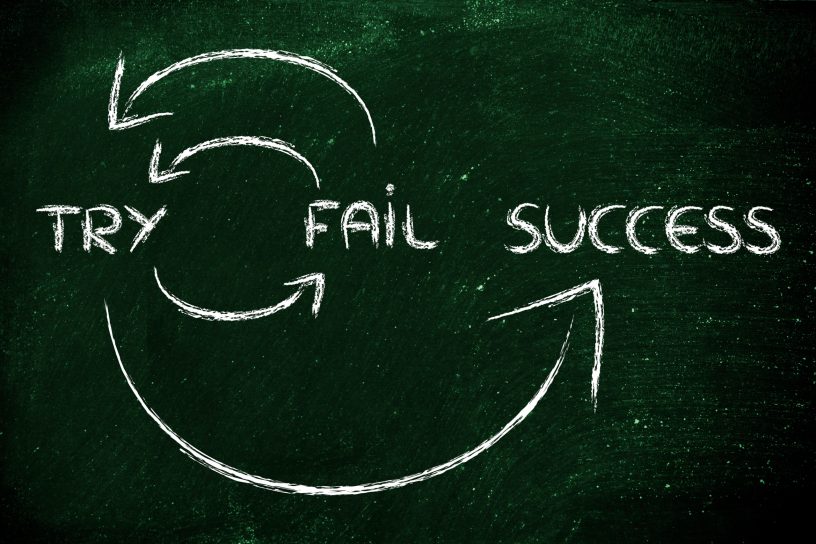
Mistakes: We’ve all made them, but mistakes on the truck can mean life or death.
It has always amazed me that this profession prides itself on being “perfect”. It is taboo for an EMT or Paramedic to admit that they just didn’t know what to do in the moment. We have a bad habit of talking about the calls that we ran that went flawlessly. We rarely talk about those calls that we messed up. In reality, those are the calls that got us to where we are today.
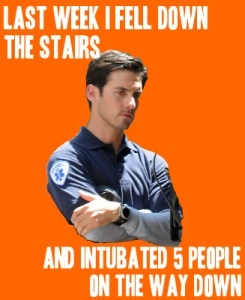
A former partner of mine once said to me that you run every type of call three times, each in a different way. For example, with a cardiac arrest:
- The first time you run an arrest, you forget all of your training and have no clue what you’re doing. You gain real-world experience and make a promise to yourself and the universe that the next time will be better
- The next time, you run the arrest proficiently, but you forget to give the patient medications through the IV. You’ll do better next time.
- Lastly, you are a “seasoned” member of a cardiac arrest team, and everything works great like a well-oiled machine. FINALLY!
Now I’m not saying this is the case for EVERYONE or every call, but for the most part I’ve noticed this is pretty standard across the board. So what can we do to improve this stigma?
Well, to be blunt… BE F**KING HONEST!!!
Admit that you screwed up. Admit that you don’t always know what’s going on with a patient. You can be the best EMT/Paramedic in the world and still run a call that you have literally no clue what the hell is going on. And that’s perfectly normal.
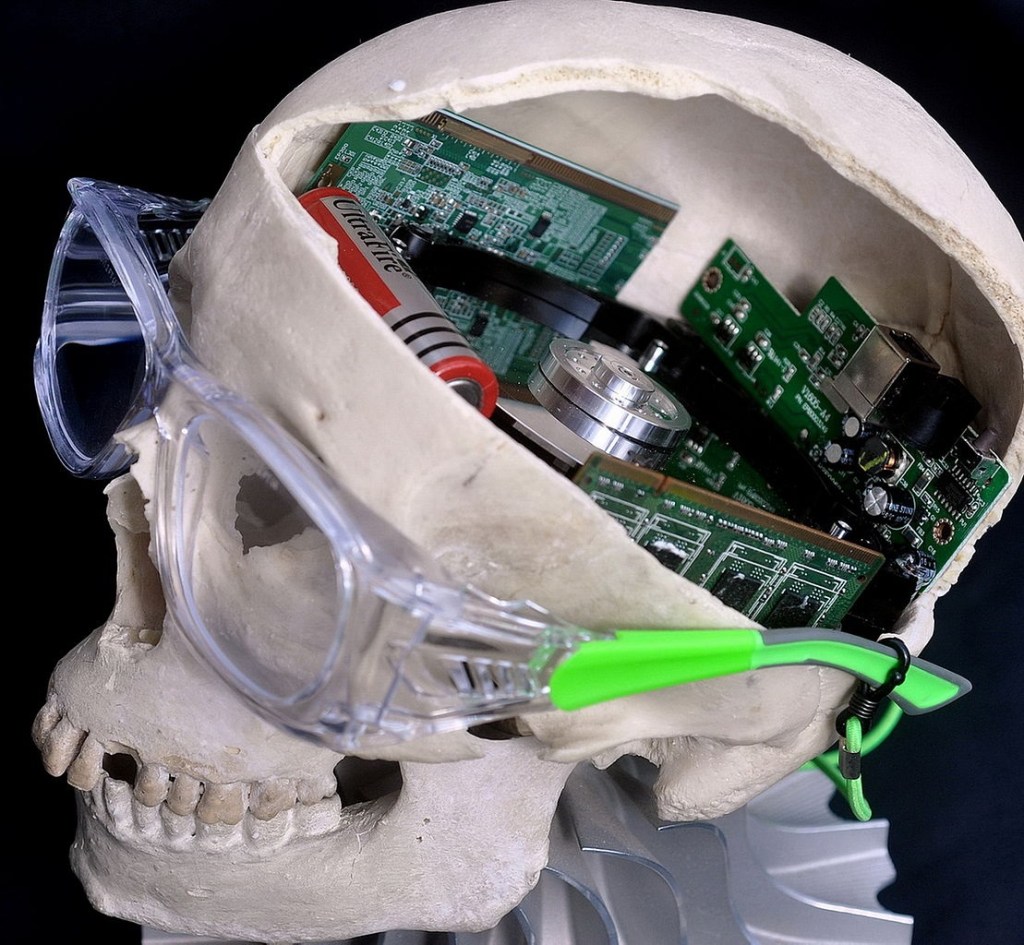
First of all, we are not doctors. We don’t have high-dollar equipment to diagnose everything accurately. So at the end of the day, use what you have – your brain. I like to think of the human brain as a flash drive. Say you have a 1TB memory card that is your brain. Now take half of that away, to store your favorite memes and completely useless trivia knowledge. So that leaves you with 500GB. That’s not that much space. Some people choose to memorize every detail they were taught in school, and that’s fine. Instead, I choose to retain the knowledge that I need on a daily basis. I’m not afraid to whip out my phone on a call, to look up my protocols, or Google a medication name. Some may say this makes me look unprofessional or unintelligent, but what looks worse, double checking a medication dosage on my phone? Or giving the incorrect dosage to my patient?
We need to learn to be humble. Admit fault. Only then will we be able to become better for ourselves and the communities we serve.
I challenge you to do this. Don’t stop talking about your “good” calls, but don’t ignore your bad ones either. If you get a student doing a third ride, tell them about all of the times you made mistakes. They are going to make them as well, so let them know to accept it and to learn from them. Make mistakes, and learn from them as well. Every call you run has some room for improvement, even if you think it was perfect. In the event that a call goes to complete crap, accept it. I can tell you that I have at least three calls that I still to this day think went perfectly. But with those three calls, I can think of three more that I completely butchered that haunt me on nearly a daily basis. Now the outcomes on the ones I didn’t do well on probably wouldn’t have been any different, but that’s not the point. The point is that the mistakes that I made on those calls I will never make again. And here is the best part, I also won’t hide them. I have no problem admitting that I screwed up, and would routinely tell my students about these calls. Some may say that it makes me look incompetent, but I beg to differ. By telling others about my mistakes, there is a chance that they will not repeat the same mistakes I made. And at the end of the day, I count that as a win for everyone involved.
If you’ve followed my blog for any amount of time, you probably know that I am not one for “war stories”, but I’ll make an exception for this example. A few years back I ran a call for an asthma attack. When we got on scene, the patient was responsive to verbal stimuli and appeared to be reluctant to follow commands. The patient had NO signs of an asthma attack, however was flailing their arms all over and grunting every time they moved. After vitals and a few tests, I was under the impression that this patient was actually having an anxiety attack. Shortly after the patient became unresponsive, and apneic. While trying to coach their breathing, I failed to do a stroke scale and missed a very faint facial droop. We didn’t make it out of the parking lot before this patient coded and I initiated CPR. At the end of the day, there is nothing that I could have done for this patient. Even if we had noticed the stroke symptoms as soon as it happened, the patient would not have been able to get to the ER to receive tPA or thrombectomy in time. Nothing I could have done would have changed that. But I can tell you that I avoid that area to this day, because just the sight of that parking lot makes me feel like complete s**t. So what did I learn from this? Well, never become complacent. Even if you think you know what is going on with the patient, still do a thorough assessment. Take EVERY finding into account, even if it feels like it is the most mundane thing. I also learned to be more compassionate. I was annoyed on scene because this patient wouldn’t follow commands. I didn’t think she was faking it, but I also didn’t think she was having a massive stroke either.
So there you have it. I have admitted one of the largest mistakes I’ve made on a call, and I’m not afraid to admit fault. I should have done better, and I promise to NEVER make this mistake again. The question is, will you do the same? Will you let your ego get in the way and stop you from teaching the rest of the profession a valuable lesson? We can learn from each other, but to do that we have to stop lying to ourselves and others. We need to stop trying to look “cool” and impress our coworkers. At the end of the day, we are all the same and we are all in this together. Let’s do better for ourselves and for our patients. It starts with you.
Mistakes: We’ve all made them, but mistakes on the truck can mean life or death.
It has always amazed me that this profession prides itself on being “perfect”. It is taboo for an EMT or Paramedic to admit that they just didn’t know what to do in the moment. We have a bad habit of talking about the calls that we ran that went flawlessly. We rarely talk about those calls that we messed up. In reality, those are the calls that got us to where we are today.
A former partner of mine once said to me that you run every type of call three times, each in a different way. For example, with a cardiac arrest:
- The first time you run an arrest, you forget all of your training and have no clue what you’re doing. You gain real-world experience and make a promise to yourself and the universe that the next time will be better
- The next time, you run the arrest proficiently, but you forget to give the patient medications through the IV. You’ll do better next time.
- Lastly, you are a “seasoned” member of a cardiac arrest team, and everything works great like a well-oiled machine. FINALLY!
Now I’m not saying this is the case for EVERYONE or every call, but for the most part I’ve noticed this is pretty standard across the board. So what can we do to improve this stigma?
Well, to be blunt… BE F**KING HONEST!!!
Admit that you screwed up. Admit that you don’t always know what’s going on with a patient. You can be the best EMT/Paramedic in the world and still run a call that you have literally no clue what the hell is going on. And that’s perfectly normal.
First of all, we are not doctors. We don’t have high-dollar equipment to diagnose everything accurately. So at the end of the day, use what you have – your brain. I like to think of the human brain as a flash drive. Say you have a 1TB memory card that is your brain. Now take half of that away, to store your favorite memes and completely useless trivia knowledge. So that leaves you with 500GB. That’s not that much space. Some people choose to memorize every detail they were taught in school, and that’s fine. Instead, I choose to retain the knowledge that I need on a daily basis. I’m not afraid to whip out my phone on a call, to look up my protocols, or Google a medication name. Some may say this makes me look unprofessional or unintelligent, but what looks worse, double checking a medication dosage on my phone? Or giving the incorrect dosage to my patient?
We need to learn to be humble. Admit fault. Only then will we be able to become better for ourselves and the communities we serve.
I challenge you to do this. Don’t stop talking about your “good” calls, but don’t ignore your bad ones either. If you get a student doing a third ride, tell them about all of the times you made mistakes. They are going to make them as well, so let them know to accept it and to learn from them. Make mistakes, and learn from them as well. Every call you run has some room for improvement, even if you think it was perfect. In the event that a call goes to complete crap, accept it. I can tell you that I have at least three calls that I still to this day think went perfectly. But with those three calls, I can think of three more that I completely butchered that haunt me on nearly a daily basis. Now the outcomes on the ones I didn’t do well on probably wouldn’t have been any different, but that’s not the point. The point is that the mistakes that I made on those calls I will never make again. And here is the best part, I also won’t hide them. I have no problem admitting that I screwed up, and would routinely tell my students about these calls. Some may say that it makes me look incompetent, but I beg to differ. By telling others about my mistakes, there is a chance that they will not repeat the same mistakes I made. And at the end of the day, I count that as a win for everyone involved.
If you’ve followed my blog for any amount of time, you probably know that I am not one for “war stories”, but I’ll make an exception for this example. A few years back I ran a call for an asthma attack. When we got on scene, the patient was responsive to verbal stimuli and appeared to be reluctant to follow commands. The patient had NO signs of an asthma attack, however was flailing their arms all over and grunting every time they moved. After vitals and a few tests, I was under the impression that this patient was actually having an anxiety attack. Shortly after the patient became unresponsive, and apneic. While trying to coach their breathing, I failed to do a stroke scale and missed a very faint facial droop. We didn’t make it out of the parking lot before this patient coded and I initiated CPR. At the end of the day, there is nothing that I could have done for this patient. Even if we had noticed the stroke symptoms as soon as it happened, the patient would not have been able to get to the ER to receive tPA or thrombectomy in time. Nothing I could have done would have changed that. But I can tell you that I avoid that area to this day, because just the sight of that parking lot makes me feel like complete s**t. So what did I learn from this? Well, never become complacent. Even if you think you know what is going on with the patient, still do a thorough assessment. Take EVERY finding into account, even if it feels like it is the most mundane thing. I also learned to be more compassionate. I was annoyed on scene because this patient wouldn’t follow commands. I didn’t think she was faking it, but I also didn’t think she was having a massive stroke either.
So there you have it. I have admitted one of the largest mistakes I’ve made on a call, and I’m not afraid to admit fault. I should have done better, and I promise to NEVER make this mistake again. The question is, will you do the same? Will you let your ego get in the way and stop you from teaching the rest of the profession a valuable lesson? We can learn from each other, but to do that we have to stop lying to ourselves and others. We need to stop trying to look “cool” and impress our coworkers. At the end of the day, we are all the same and we are all in this together. Let’s do better for ourselves and for our patients. It starts with you.
 Medic Minute